Production Requirements for AR Projection System
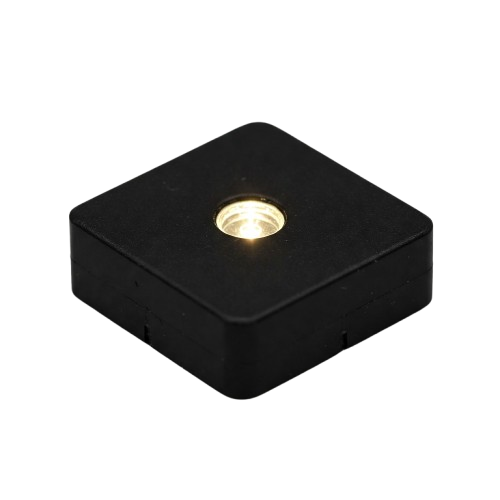
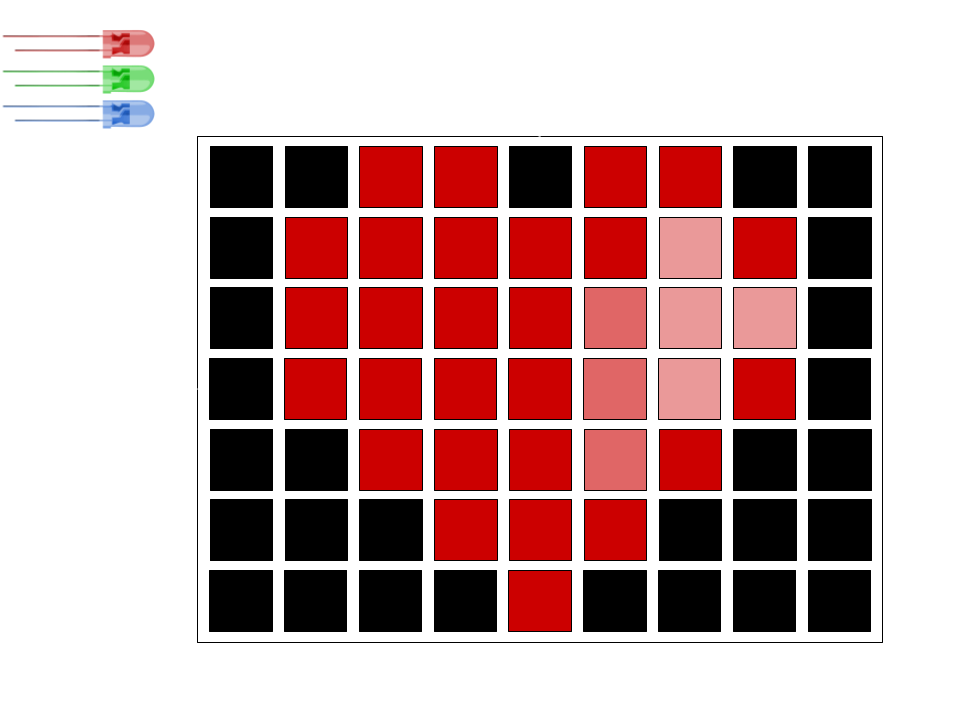
This document outlines the specific production requirements for manufacturers interested in contributing to our AR projection system project. The focus is on the production of a key component: the LED light source module.
1. LED Light Source Module Specifications
Manufacturers are required to produce a module centered around a single LED light source, designed to work in conjunction with our MEMS scanning system.
1.1 Key Requirements
- LED Placement:
- The LED must be precisely positioned at the center of the module.
- A “surrounding black area” must be incorporated around the LED to ensure sharp light projection. The dimensions of this surrounding black area need to be determined in coordination with our optical design team.
- Scanning Area:
- The module must facilitate a scanning area of approximately 56 degrees horizontally and 42 degrees vertically. This will be achieved through our MEMS system, but the module design should not obstruct this scanning range.
- Light Visibility:
- The LED light must maintain visibility after two reflections:
- The first reflection, from a surface with 93% to 99% reflectivity.
- The second reflection, from a surface with approximately 50% reflectivity.
- The LED light must maintain visibility after two reflections:
1.2 Dimensions and Calculations
Perceived Rectangle and Diagonal Dimensions
- At 50 cm distance:
- Width: 53 cm
- Height: 38.5 cm
- Diagonal: 25.8 inches
- At 1 meter (100 cm) distance:
- Width: 106.34 cm
- Height: 76.78 cm
- Diagonal: 51.64 inches
Pixel Size Calculation
- Maximum Pixel Size:
- At 50 cm: 0.276 mm
- At 1 meter: 0.554 mm
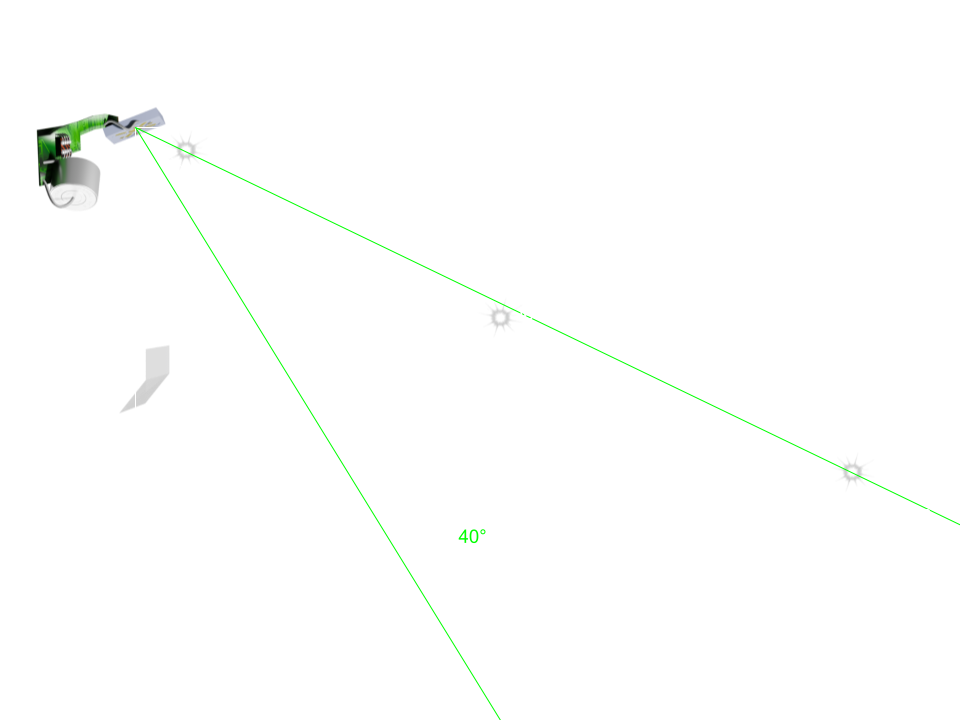
Refresh Rate
Since the system projects one pixel at a time, the LED frequency must be sufficiently high to support the desired resolution and refresh rate.
- Examples of Minimum LED Frequencies (for 24 Hz):
- HD (1280x720 pixels): 22.1 MHz
- Full HD (1920x1080 pixels): 49.8 MHz
- 4K (3840x2160 pixels): 199 MHz
1.3 Additional Considerations
- Thermal Management:
- Adequate thermal management is crucial to maintain LED performance and longevity.
- Durability:
- The module must be robust and durable to withstand typical use and environmental conditions.
2. Collaboration and Testing
- Prototyping:
- Manufacturers are required to provide prototypes for testing and evaluation.
- Quality Control:
- Rigorous quality control measures must be implemented throughout the production process.
- Collaboration:
- Close collaboration with our design team is essential to ensure seamless integration with the overall AR system.
We are seeking manufacturers capable of meeting these specifications and contributing to the development of our innovative AR technology.